
Bladder Dysfunction: Causes, Symptoms & Treatment Options

If you leak a little when you laugh, plan your day around bathroom locations, or feel a sudden urge that comes out of nowhere, you have probably been told some version of “that’s just normal.” It is common. It is not normal, and it is rarely something you have to accept. This article walks through what bladder dysfunction actually is, the causes most people never hear about, the symptoms worth taking seriously, and the treatment options that fix the problem instead of masking it.
What Is Bladder Dysfunction?
Bladder dysfunction is a broad term for any problem with how the bladder stores or releases urine. It shows up as leakage, urgency, frequent trips to the bathroom, pain, or trouble emptying fully. The bladder itself is often healthy. The issue usually lies in the muscles, nerves, and coordination that control it.
Storing and emptying urine depends on a quiet partnership between the bladder muscle and the pelvic floor. When that coordination breaks down, symptoms follow. That is why two people can have the same complaint, say constant urgency, for completely different underlying reasons.
Common Symptoms of Bladder Dysfunction
Symptoms tend to cluster into a few recognizable patterns, and you might have one or several at once:
- Leakage (incontinence) with coughing, sneezing, lifting, or a sudden urge you cannot suppress
- Urgency, the feeling that you have to go right now, sometimes with little warning
- Frequency, needing the bathroom more than roughly every two to three hours during the day
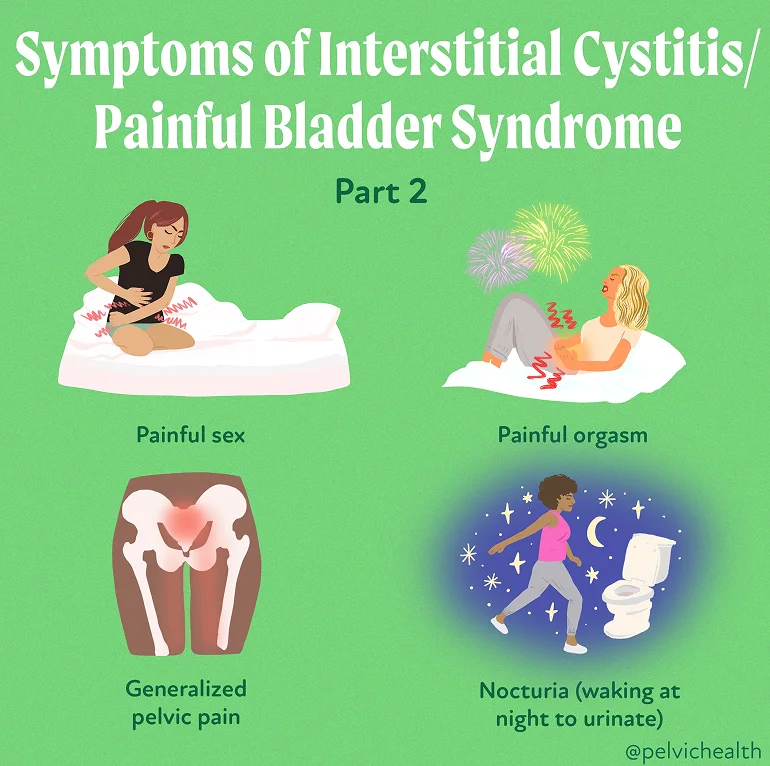
- Nocturia, waking more than once at night to urinate
- Difficulty emptying, a weak stream, hesitancy, or the sense that your bladder never fully empties
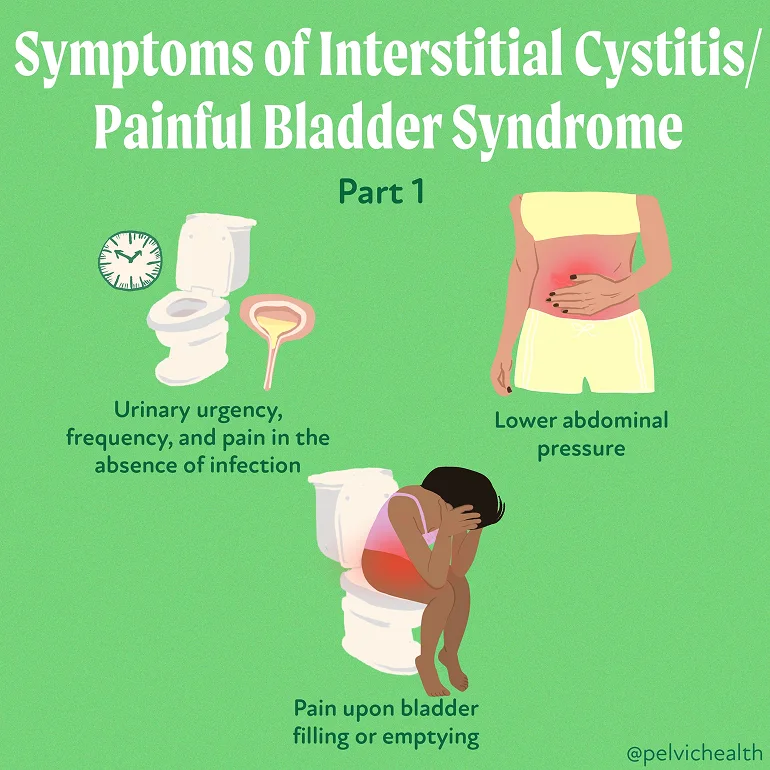
- Pelvic or bladder pain, pressure, or discomfort that worsens as the bladder fills
Bladder pain is the symptom most often misread. It can feel like low abdominal pressure, a burning that mimics a urinary tract infection, or an ache that eases after you urinate and then builds back up. When it comes with urgency and repeatedly negative infection tests, it is often what clinicians call painful bladder syndrome, driven by tight pelvic floor muscles rather than the bladder lining. Calming those muscles is usually what settles them down.

Common Symptoms of Bladder Dysfunction
Bladder symptoms are a signal, not a diagnosis. Finding the real cause is what separates a treatment that works from one that only quiets things for a while.
Pelvic Floor Dysfunction
The pelvic floor is a hammock of muscles that supports the bladder and controls the flow of urine. When these muscles are too tight, too weak, or poorly coordinated, a problem known as pelvic floor dysfunction, the bladder pays the price. Tight, overactive muscles drive urgency, frequency, and bladder muscle dysfunction that mimics an “overactive bladder,” while weak or uncoordinated muscles tend to cause leakage. Childbirth, chronic constipation, prolonged sitting, past injury, and years of “holding it” all feed this pattern, which is why so many cases trace back here.
Nerve-related and Neurogenic Causes
The bladder runs on nerve signals, and when those signals are disrupted, the result is neurogenic bladder dysfunction. Conditions like multiple sclerosis, Parkinson’s, diabetes, spinal cord injury, or a herniated disc can interfere with the messages between brain and bladder. Diabetic bladder dysfunction, for instance, develops as high blood sugar damages the nerves that signal fullness, and reported rates vary widely, from roughly 25% to 90% of people with diabetes. These cases often need a medical workup alongside conservative care.
Other Medical Contributors
Hormonal shifts around menopause thin and weaken pelvic tissues, which is why symptoms often surface in midlife. Pelvic surgery, prostate procedures, and radiation can change how the bladder and its supports work, and recurrent infections (plus the guarding habits they create) add another layer. Sorting out which applies to you is the first real step toward relief.
Why the Root Cause Matters
Here is the piece most articles skip. Bladder symptoms are commonly treated at the surface, with a medication for urgency or a pad for leakage, while the mechanism driving them goes unexamined. That approach can help you cope, but it rarely resolves the problem, and it can even reinforce the habits keeping the cycle going.
Consider a common scenario. A woman in her forties feels constant urgency and starts using the bathroom “just in case” before every errand. Emptying a half-full bladder over and over trains it to signal fullness sooner, so the urinary urgency intensifies instead of fading, and each trip quietly reinforces the pattern. She cuts back on water to reduce trips, but concentrated urine irritates the bladder and makes the urge stronger still. Every reasonable coping step deepens the loop, and nothing improves until someone examines the pelvic floor and the behavioral pattern together.
This is also why bladder pain tied to pelvic floor dysfunction responds so poorly to antibiotics and bladder medications. If the muscles are the source of the problem, then calming them is what helps. Matching the treatment to the actual driver is the whole game.
Treatment Options for Bladder Dysfunction
For most people, the best treatment for bladder dysfunction starts with the least invasive option that addresses the cause, then escalates only if needed. Conservative care resolves or meaningfully improves a large share of cases before anyone reaches for medication or surgery. For urinary incontinence specifically, a Cochrane review found that women who did pelvic floor muscle training were far more likely to be cured than those who did nothing, 56% versus 6% for stress incontinence, and 67% reported cure or improvement across incontinence types compared with 29% who received no treatment.
What Pelvic Floor Therapy Involves
At PHRC, treatment begins with a comprehensive evaluation rather than a one-size-fits-all protocol. We assess how your pelvic floor muscles move, whether they can both contract and fully relax, how you breathe and use your core, and how daily habits feed your symptoms. From there, we build a plan around your specific findings. That plan may combine muscle relaxation training for overactive tissues, targeted strengthening where there is weakness, coordination retraining so the bladder and pelvic floor work together again, hands-on manual therapy, movement and posture correction, and a home program you can actually keep up with.
This is the point where working with a clinician who does this every day matters, and it is worth exploring pelvic floor physical therapy for bladder dysfunction as a first-line option rather than a last resort. Our care is individualized and coordinated with your other providers, so if you need a physician’s input, we help make that happen. Most patients attend one to two sessions per week for roughly twelve weeks, and progress is tracked the whole way so you can feel the change rather than guess at it.
When You Need a Medical Workup
Some situations call for a physician evaluation first or alongside therapy: sudden or complete loss of bladder control, blood in the urine, infections that keep returning, or symptoms linked to a known neurological condition. When nerve damage is involved, treatment may add medication, nerve stimulation, Botox to calm an overactive bladder muscle, or catheterization to protect the kidneys, usually still paired with pelvic floor rehabilitation. Since nerve damage is not always fully reversible, the goal becomes restoring as much control as possible. A good therapist spots these signs and refers you promptly.
What You Can Start Doing Now
While you arrange care, a few adjustments often ease symptoms and stop them from getting worse:
- Stop “just in case” urinating. Let the bladder fill normally instead of emptying it early, which retrains it toward reasonable timing.
- Keep drinking water. Cutting fluids concentrates urine and irritates the bladder, so aim for steady, moderate intake.
- Sit, do not hover. Hovering keeps the pelvic floor tense, so the bladder cannot fully empty.
- Do not push. The bladder contracts on its own, and bearing down only strains the pelvic floor.
- Relax; do not just clench. The best pelvic floor exercises for bladder control include full relaxation, since many people with urgency and pain need to release, not strengthen.
Treat these as first aid, not a cure. A proper evaluation tells you which direction your muscles actually need to go.
When to See a Specialist
If symptoms have lasted more than a few weeks, interfere with sleep, work, exercise, or intimacy, or leave you rearranging your life around the nearest restroom, it is time to have them assessed. You do not need to wait until things are severe, and you do not need to prove your symptoms are “bad enough.” Earlier care usually means faster, more complete recovery.
Bladder dysfunction is common; it is rarely dangerous, and it is highly treatable once the true cause is identified. Leakage, urgency, frequency, and pain are your body’s way of flagging a mechanical or coordination problem, most often in the pelvic floor, sometimes in the nerves, and occasionally somewhere else entirely. Naming that cause is what turns a frustrating, ongoing struggle into a problem with a clear path forward. That is exactly the work PHRC does, starting with a thorough evaluation and building a plan around what your body actually needs. You built the habits your bladder is running on, and with the right guidance you can change them.
Frequently Asked Questions
What are the symptoms of bladder dysfunction?
The most common symptoms are urinary leakage, urgency, frequent urination, waking at night to urinate, difficulty fully emptying the bladder, and pelvic or bladder pain. You may have one symptom or several, and they can range from a minor annoyance to something that disrupts daily life.
How do you treat bladder dysfunction?
Treatment depends on the cause and usually starts conservatively. Pelvic floor physical therapy addresses the muscles and coordination behind most cases through relaxation training, strengthening, manual therapy, and habit change. Medication, nerve stimulation, or surgery are reserved for cases that need them, and they often work best alongside pelvic floor rehabilitation.
How do you fix nerve damage in the bladder?
Nerve-related bladder problems are managed rather than always cured. Options include medications, nerve stimulation, Botox to relax an overactive bladder muscle, and catheterization to protect the kidneys, frequently combined with pelvic floor therapy to preserve function. The aim is to restore as much control as possible and prevent complications, so a medical evaluation is important.
What does bladder pain feel like?
Bladder pain often feels like pressure or aching low in the abdomen that builds as the bladder fills and eases briefly after you urinate. It can also burn like an infection. When infection tests are repeatedly negative, the pain frequently comes from tight pelvic floor muscles rather than the bladder itself, a picture often linked to interstitial cystitis, which tends to respond to pelvic floor treatment rather than antibiotics.
Can bladder dysfunction go away on its own?
Occasionally mild symptoms settle, but most bladder dysfunction persists or worsens without treatment because the underlying habits and muscle patterns stay in place. The encouraging news is that it responds well to care, and earlier treatment tends to bring faster, fuller results.
How long does pelvic floor therapy take to work?
Many patients notice improvement within a few weeks, with a typical course running one to two sessions per week for about twelve weeks. The exact timeline depends on your cause, how long symptoms have been present, and how consistently you follow your home program.